




You are here

Home > About us > News > South Gippsland Hooded Plovers - need your help

News

South Gippsland Hooded Plovers - need your help

Tuesday 25 September, 2012

Australians love the beach and the Hooded Plover is no exception. These threatened birds spend their entire lives on the beach, from egg to adult, making them one of the few bird species in Australia to nest on beaches. They nest during spring and summer but beach nesting isn’t easy, and breeding pairs may lose many nests and chicks to storms, predators and even disturbances caused by humans. With only about 500 Hooded Plovers left in Victoria, it’s important to help these battlers get their chicks to flying age at five weeks of age.

At Cape Liptrap Coastal Park, Hooded Plover pairs are already returning from winter flocking beaches and reclaiming their breeding territories. Recent surveys by Parks Victoria Ranger Jonathon Stevenson and Birdlife Australia volunteer Steve Johnson have recorded at least six pairs back at Venus Bay, including the pair who nest south of the Number 1 Beach access ramp. This pair has used this territory for many years and has to contend with a lot of disturbance from other beach visitors.

However, with a little human help, Hooded Plovers’ who nest on busy beaches have the same chance of raising young to flying age as those pairs who nest on remote beaches. At Venus Bay, Parks Victoria, Birdlife Australia and volunteers work closely to protect Hooded Plovers nesting on local beaches. Identifying these pairs is important and many have now been banded with orange leg flags with a two letter code, to help identify them in the field. Parks Victoria Ranger Jonathon Stevenson said “These flags help identify individuals. We can now easily identify some locals such as ‘DR Plover’, who is one half of the pair at Beach 1, now sporting a leg flag with the letters ‘DR’.”

Volunteers and agency staff also spend time on beaches monitoring the birds’ breeding progress – checking for nests and chicks, erecting protective nest fencing and talking to people about the birds. But they need your help. With at least 20 pairs of Hooded Plovers nesting between Cape Paterson and Waratah Bay, there are a lot of unmonitored nests. So if there is a beach that you visit regularly, whether it’s once a week or once a month we’d love for you to get involved.

Birds Australia is again running a FREE public training course for volunteers in the South Gippsland area on Saturday 6th October. Participants will learn how to spot these endearing little birds and their tiny, cryptic chicks and how to get involved in monitoring them. An exciting development this year is the Hooded Plover online portal where volunteers can enter monitoring data and see what has been happening to other Hoodie pairs. To find out more about the training and to register, please contact Tanya Pyk at Birdlife Australia on Tanya.Pyk@birdlife.org.au or (03) 9347 0757.

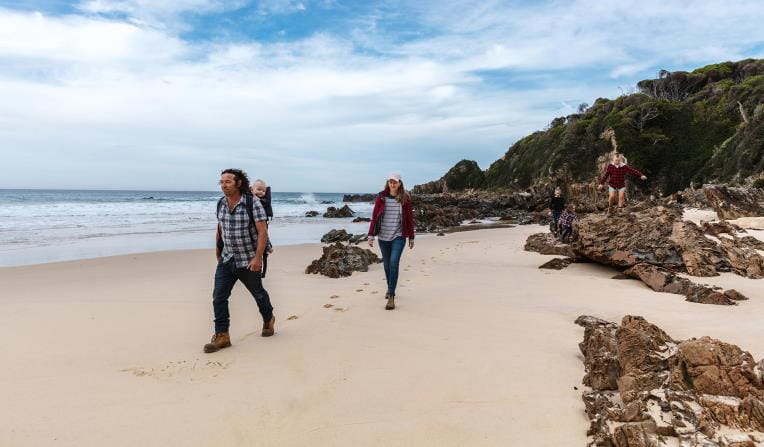
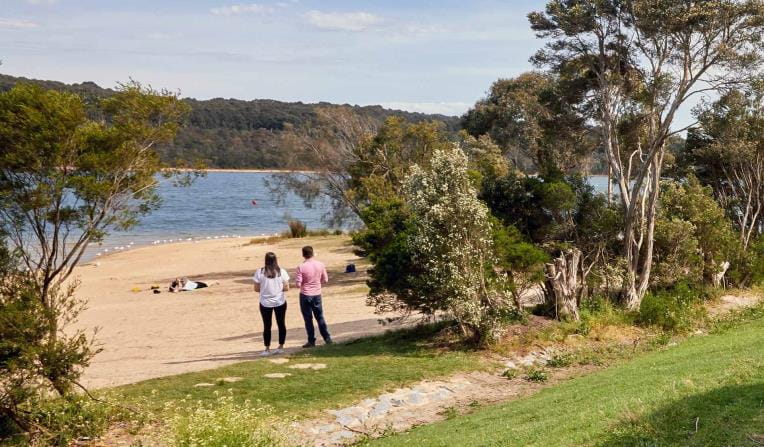
Even if you can’t get involved in Hooded Plover monitoring you can still help them by reading and obeying signs, especially dog rules and when on the beach walk only on the wet sand by the waters edge, and walk quickly past any fenced off areas to minimise disturbance. “The beach is very popular over summer and not just for people. We need to remember that and share the beach with all beach goers” said Jonathon Stevenson.

What's on

Click to view RSS Feed

Botanical Drawing and Painting Art classes

11 May 2013 10:00am - 8 Jun 2013 2:30pm

This course is an intensive introduction to Botanical Drawing and Painting. Develop observation skills and learn about tonal values, pencil and ink rendering, composition, colour, watercolour and gouache' Explore, develop and understand a variety of techniques to create your own detailed botanical studies. Time: Saturdays 11 May to 8 June, 5 x 4.5 hours = 20 …

Click to view RSS Feed

Million Paws Walk

19 May 2013 8:00am-3:00pm

An annual event where pets take their owners for a walk around the lake to raise funds to support RSPCA services.

Click to view RSS Feed

Monthly Flying Fox Count

22 May 2013 5:15pm-6:15pm

The bat count is held once a month at dusk when the whole colony of 10,000 -20,000 bats fly out to feed around Melbourne’s suburbs. New counters are very welcome and much appreciated. Experience is not necessary as training is provided on the night. Wear comfortable shoes for walking, dress …

Click to view RSS Feed

Friends of Glen Nayook Working Bee

26 May 2013 9:00am-11:00am

Join the Friends of Glen Nayook for a working bee. Morning tea provided.