Our amazing diversity
Biodiversity is the variety of all living things; the different flora, fauna and microorganisms, the genetic information they contain and the ecosystems they form.
From snow-capped mountains to dense rainforest gullies and into our oceans, Victoria is home to Australia's most diverse collection of landscapes.
They support a wider range of ecosystems than any area of a similar size in Australia, meaning that this part of the world is jam packed with weird and wonderful life.
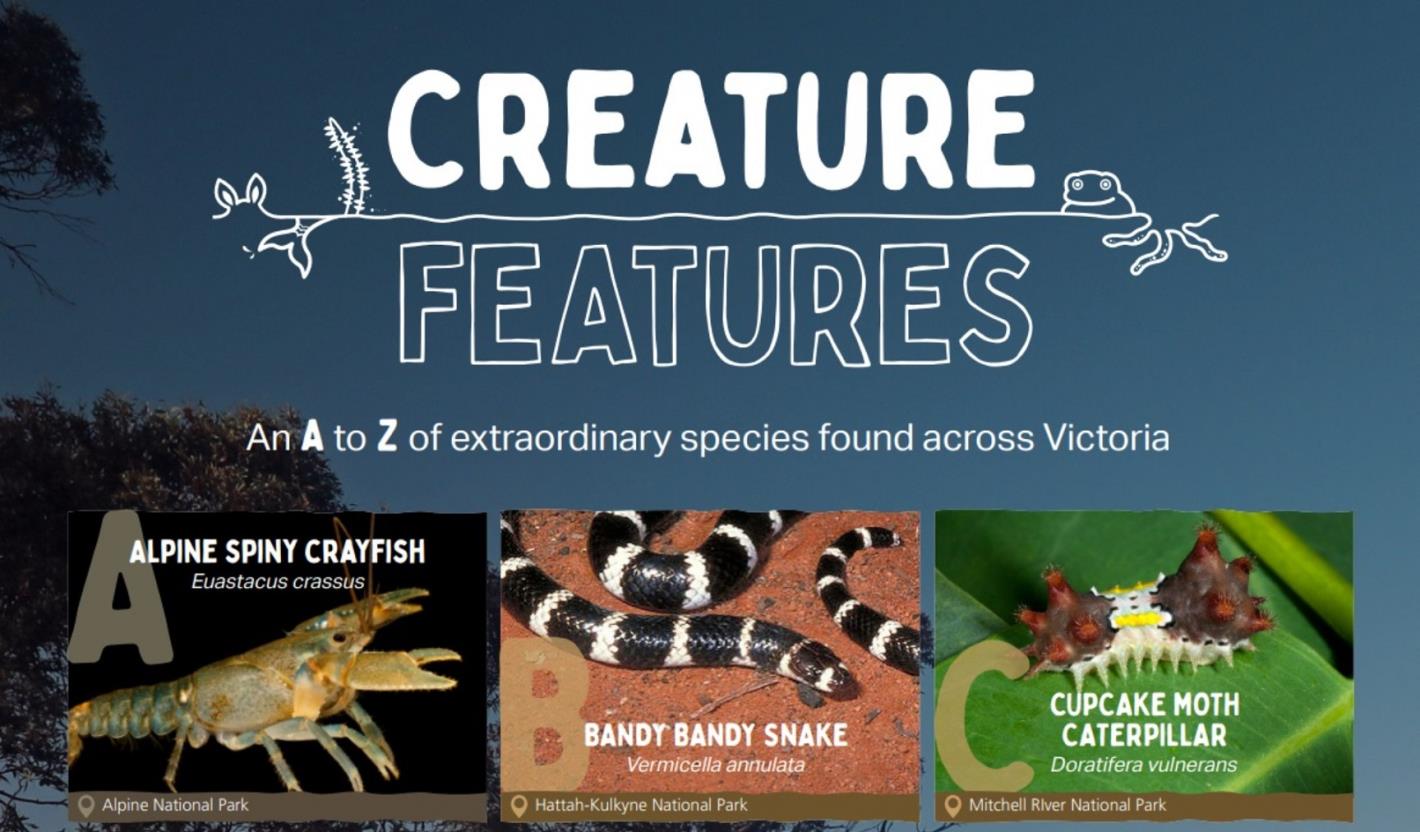
Here you will find alpine crayfish that survive the coldest winters by having anti-freeze liquids in their blood, a caterpillar that feeds sugar to an army of addicted ant bodyguards and a one-centimetre-long pygmy squid – the smallest in the world.
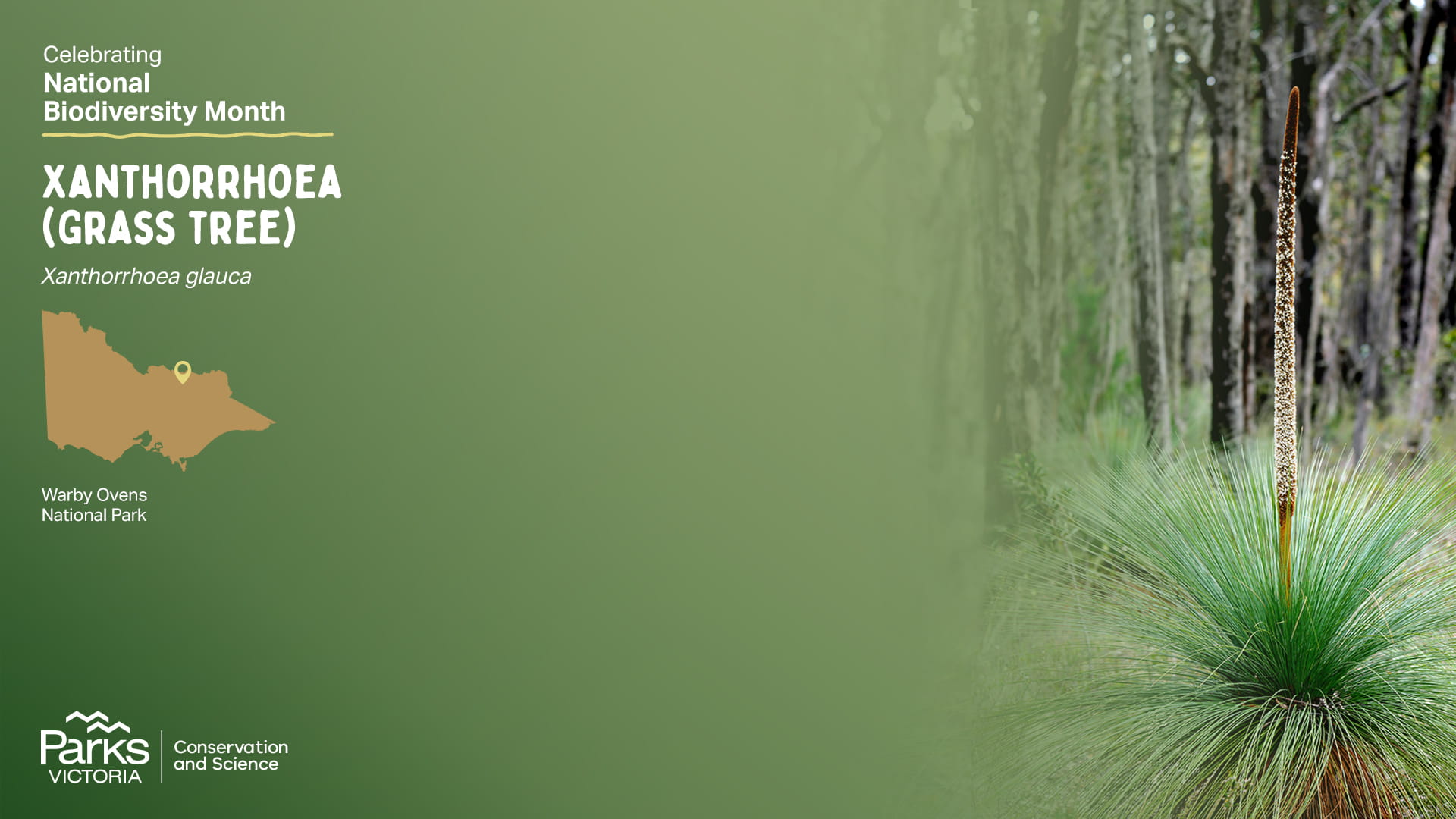
There are tens of thousands of native animals and plants that live in Victoria, including:
- More than 5,000 species of plants and their relatives
- More than 100 mammal and 400 bird species
- Around 46 freshwater and 600 marine fish
- More than 100 reptile and 30 amphibian species
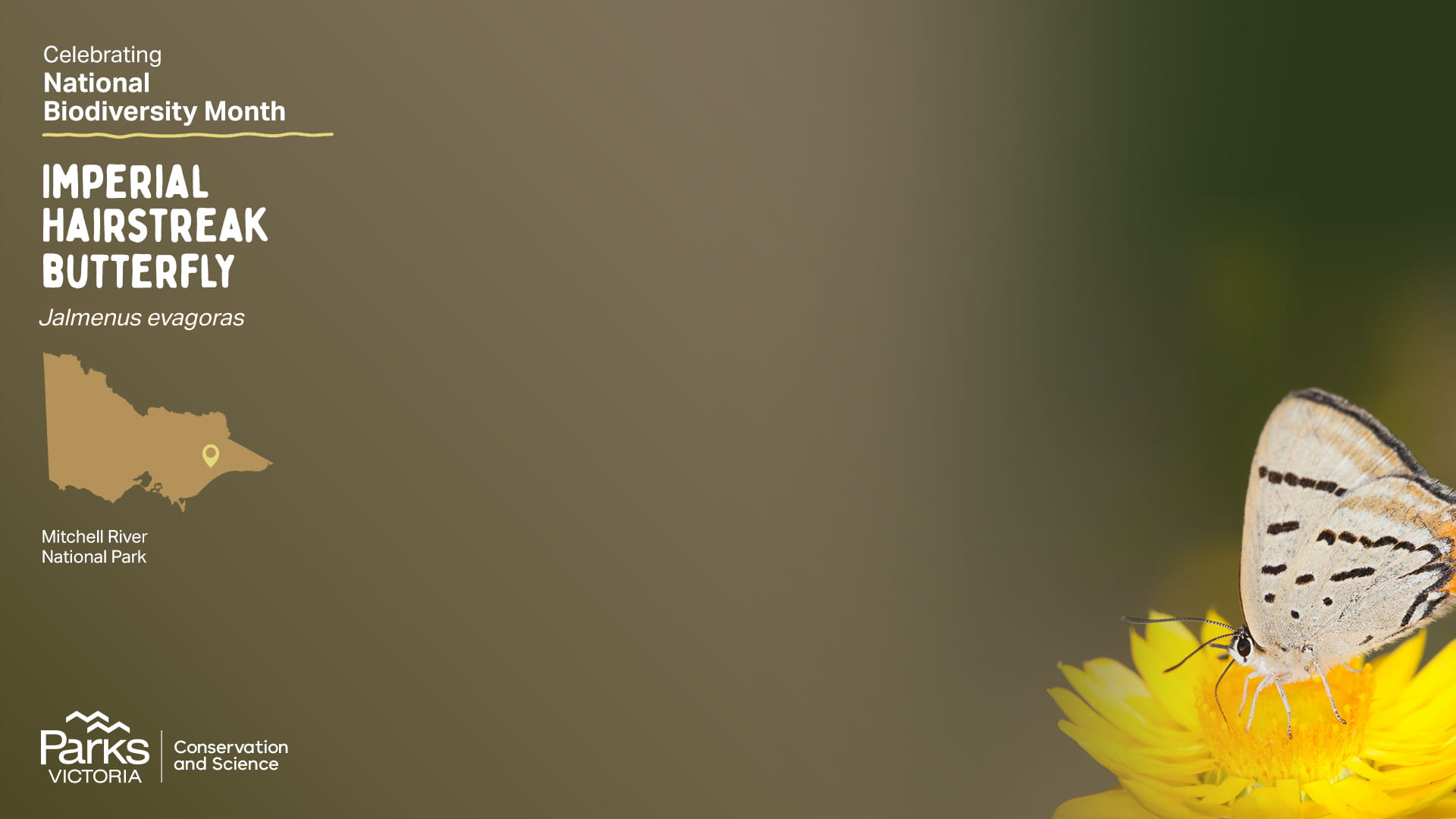
Victoria’s natural habitats also support a huge range of other living creatures, including groups like butterflies, beetles and spiders, as well as fungi and seaweeds. The wonders continue in our seas from giant whales to tiny snails, with more than 12,000 species thriving within our cool waters – many of which only occur in this corner of Australia.
Protecting our biodiversity
The survival of our wildlife, plants and natural habitats is critical to our own survival – our health and wellbeing, the air we breathe, the water we drink and the places we go.
Australia is one of a group of only 17 ‘mega-diverse’ countries, which cover less than 10 per cent of the world’s area but have more than 70 per cent of its biodiversity.
Our native species and habitats face a variety of threats, from pests and weeds to land clearing, illegal firewood collection and climate change. They can all use our help if we tread lightly, put nature’s needs ahead of our own and find ways to help and protect them.
Parks Victoria protects the best examples of nature, managing a diverse estate of more than 4 million hectares including 3,000 land and marine parks and reserves.
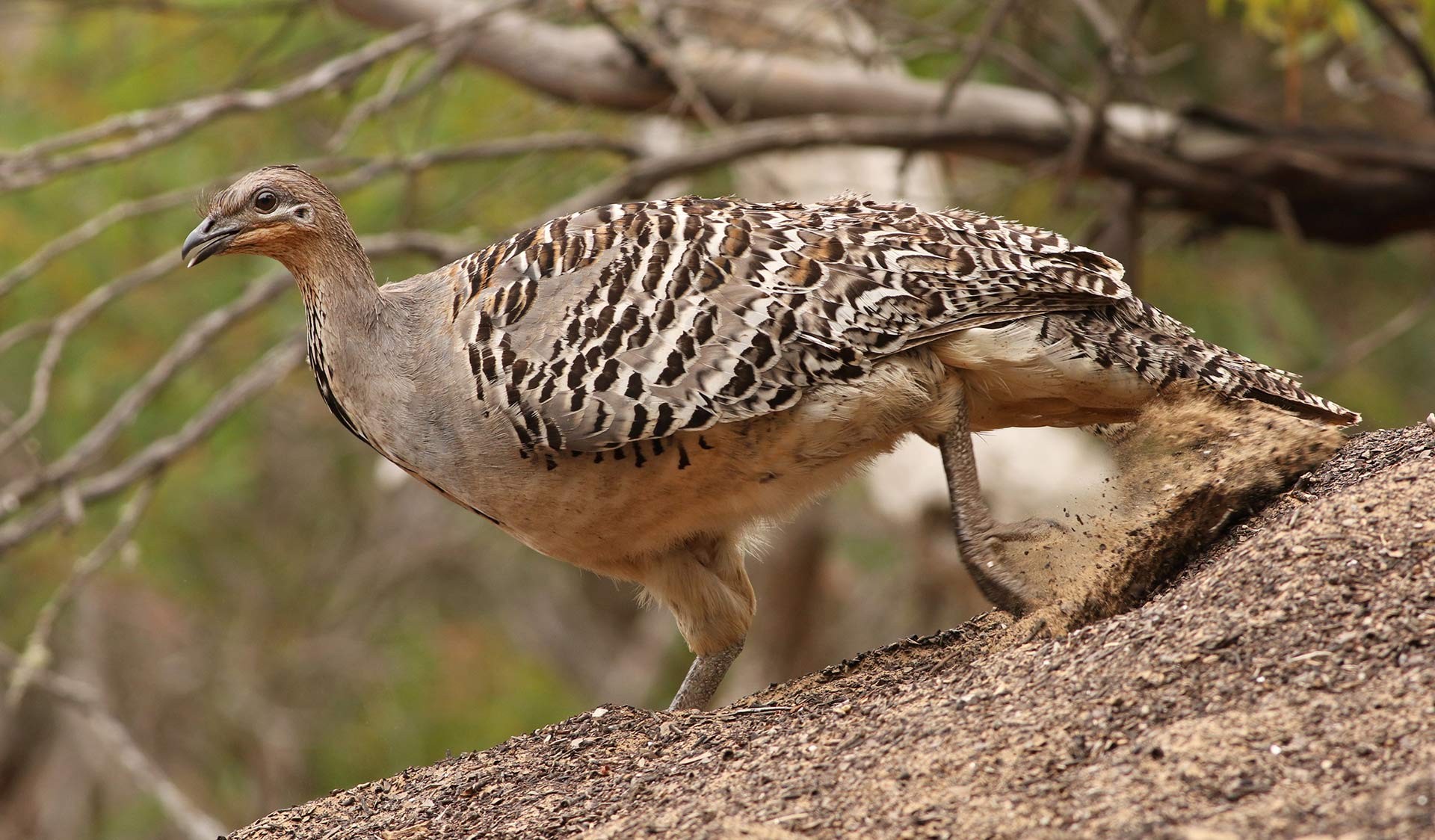
A large number of Victoria's native flora and fauna are threatened as a result of past and present land use, the impact of weeds and pest animals and other disturbances.
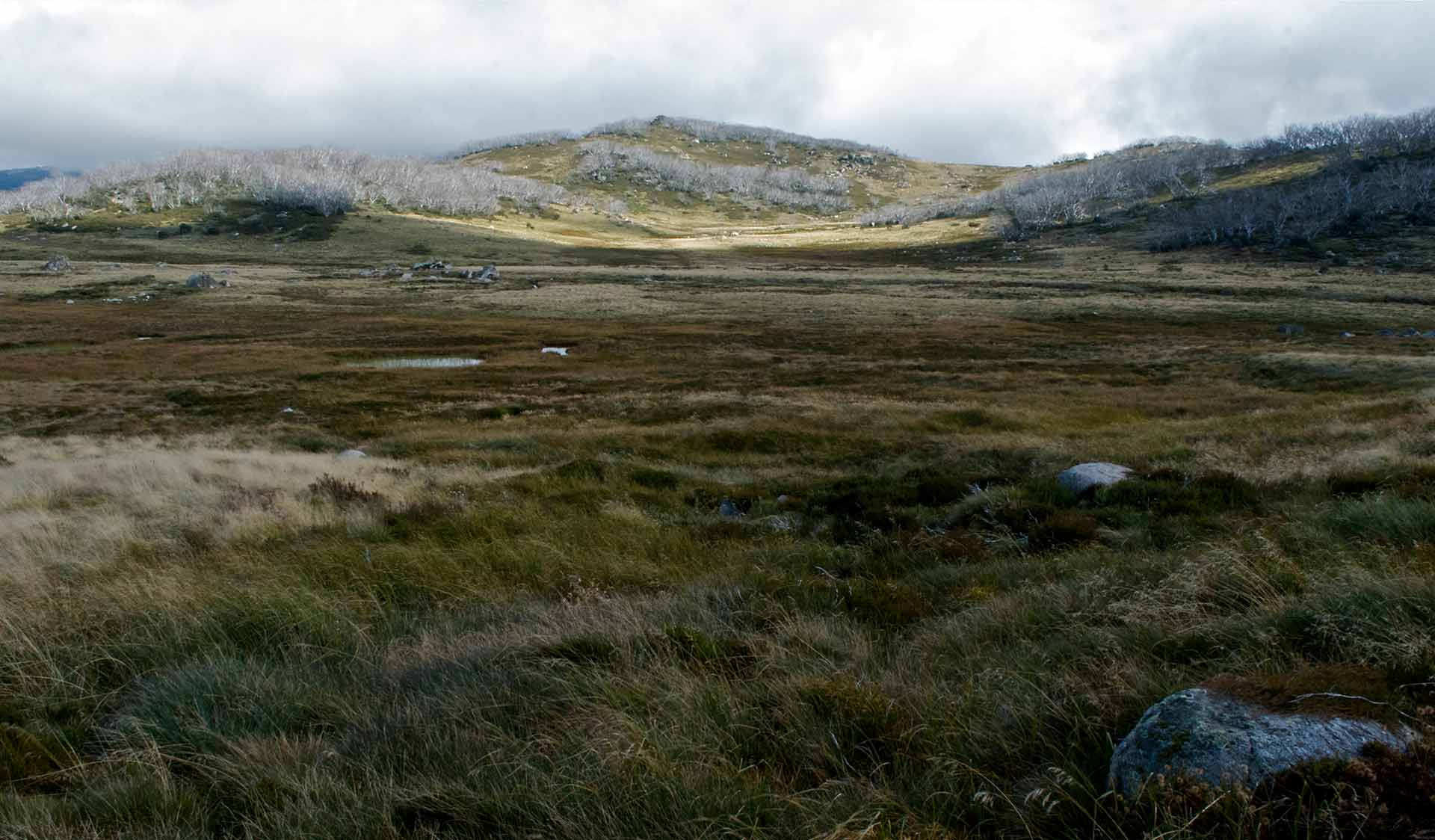
The alps are characterised by granite and sandstone peaks with rounded mountain tops and plateaus and are typically covered in snow for more than a third of the year. The plants and animals that live here have evolved to cope with environmental extremes.
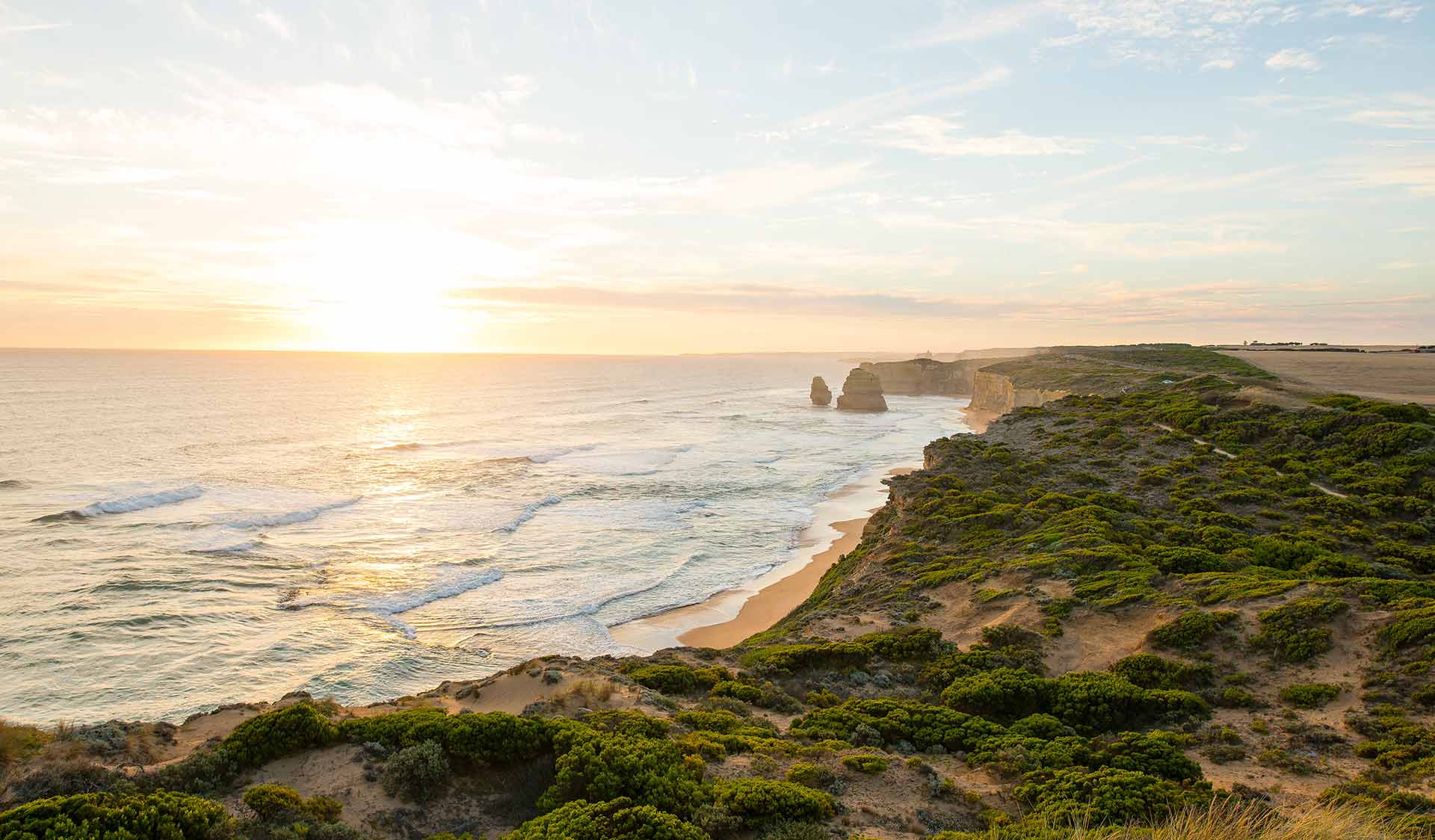
Often lashed by the wind laden with salt spray, the coast is very dynamic and a difficult environment for living things, with some of its physical features such as dunes and cliffs subject to continual change.
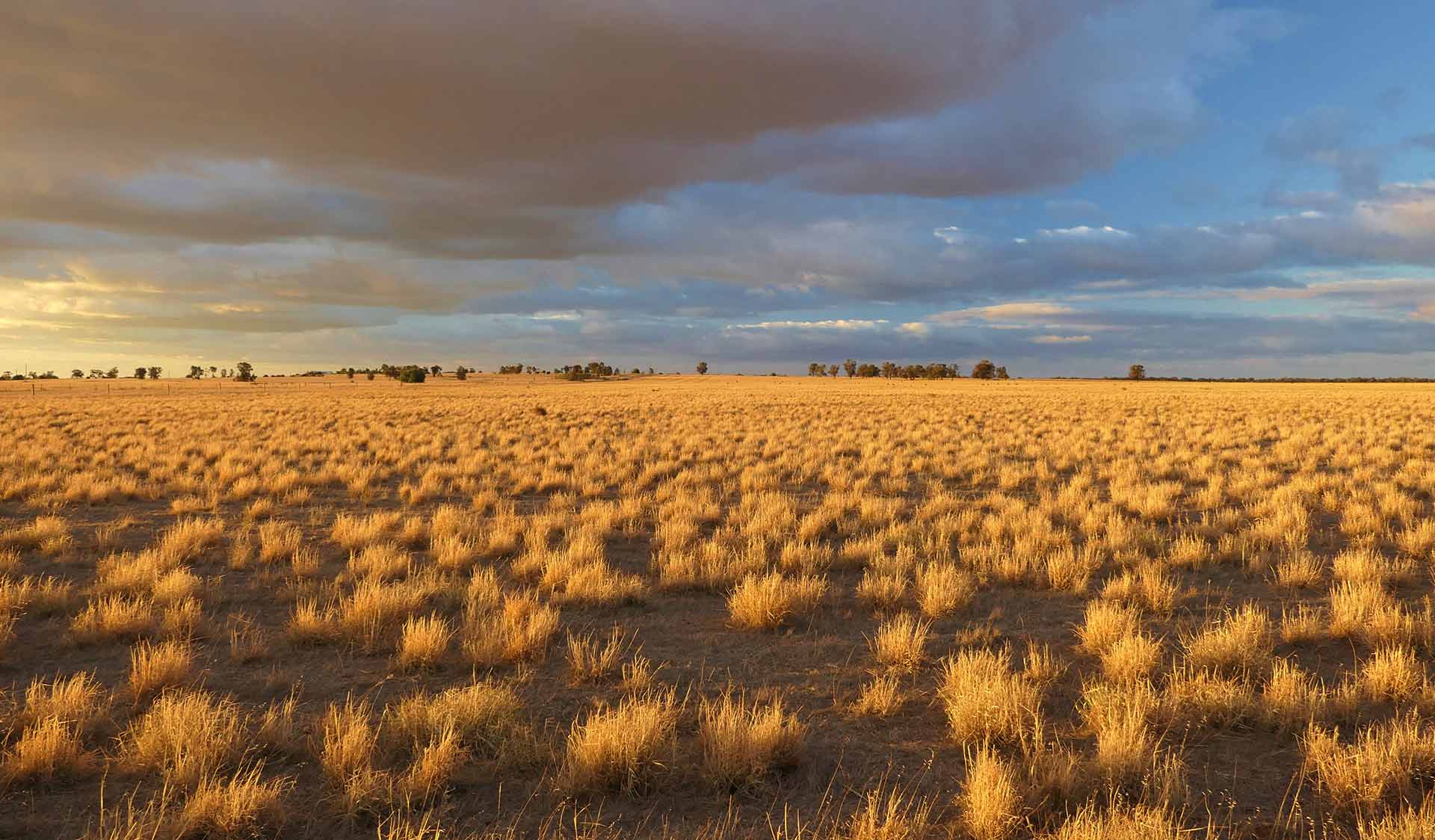
Less than one per cent of original grasslands remain in Victoria, in small remnant patches with low viability. Grasslands provide important habitat for rare animals which have adapted to changeable environments.
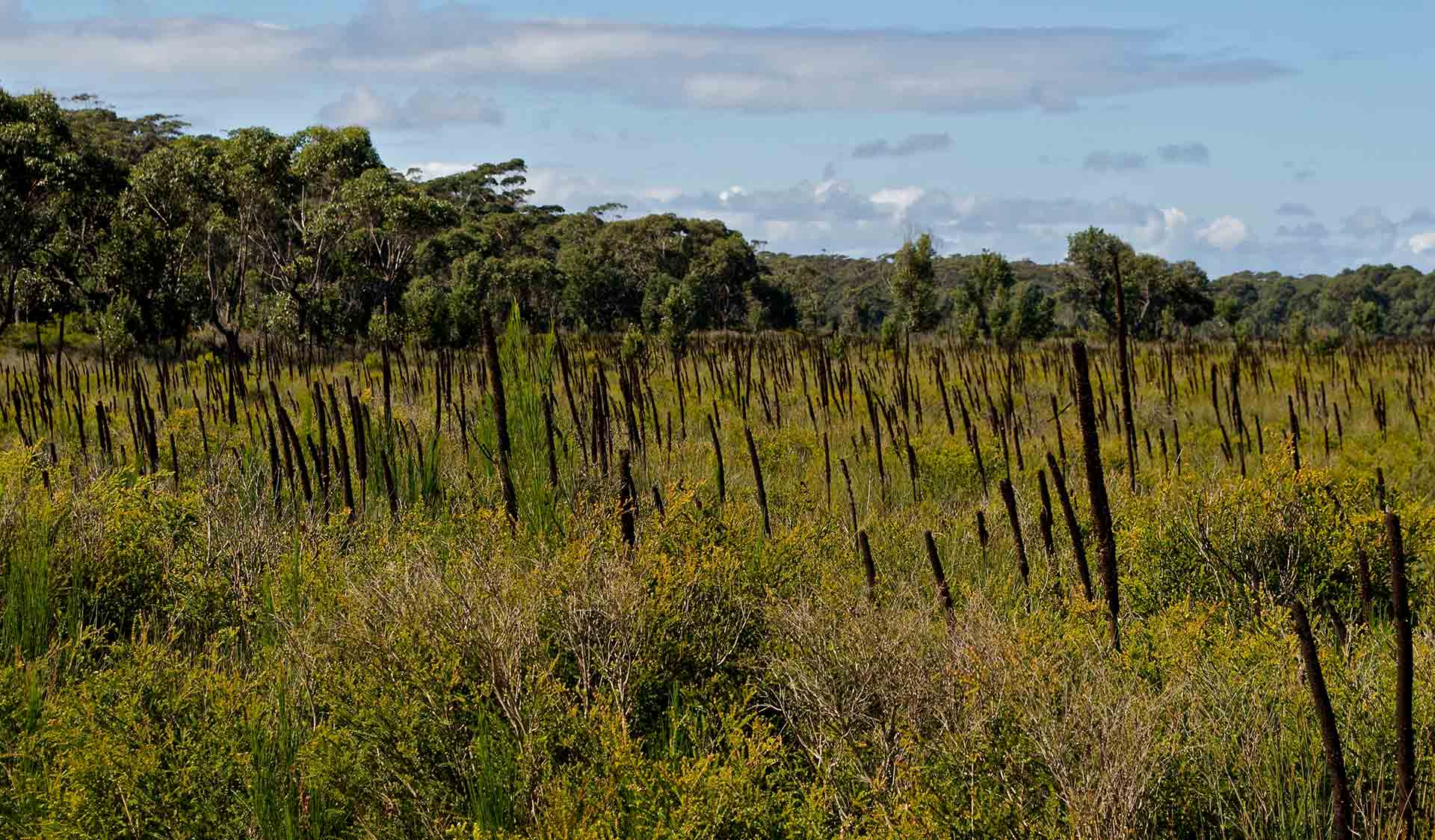
Heathlands are characterised by dense, low shrubs with scattered, twisted trees – a function of the harshness of the environment where they occur, where drainage is poor and soils have extremely low levels of nutrients.
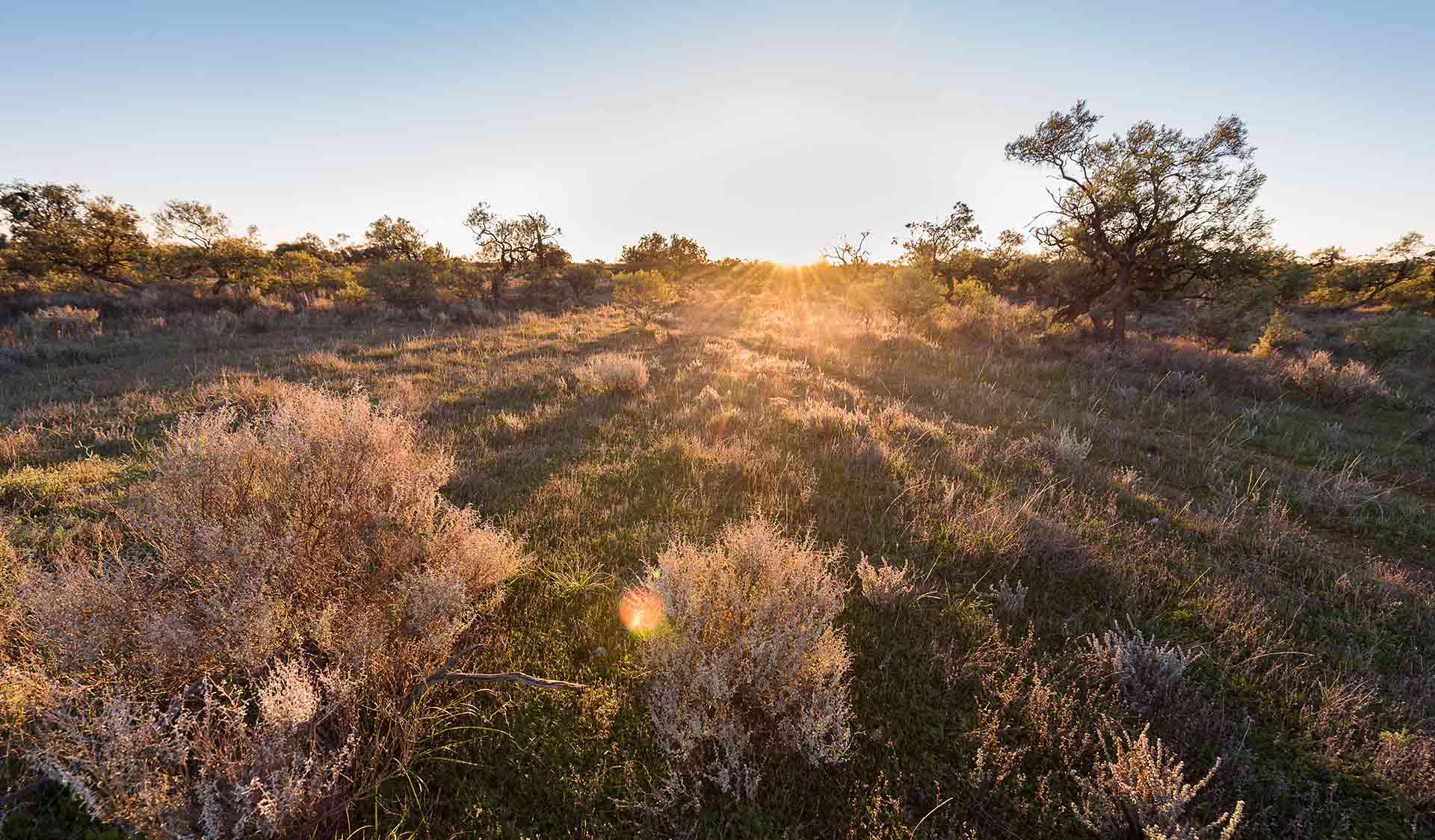
Mallee ecosystems take their name from the small, multi-stemmed eucalypts which feature mallee roots just below the soil surface. They contain a surprisingly diverse range of flora and fauna.
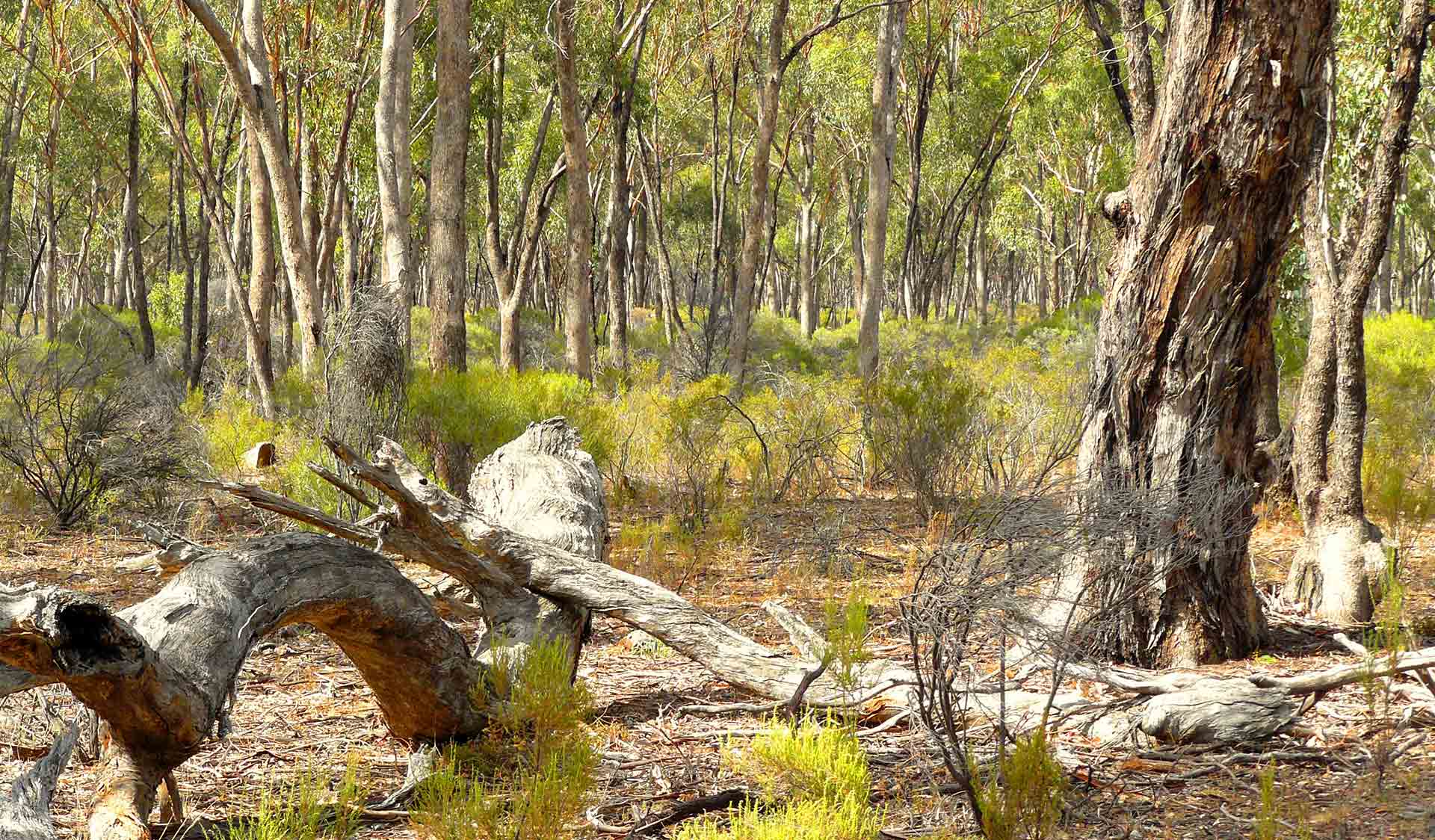
There are many types of dry forests and woodlands occurring across the drier northern slopes of the Great Divide, as well as in Victorian foothills, coasts and plains. They support a wide variety of plants and animals including the state's rarest orchids.
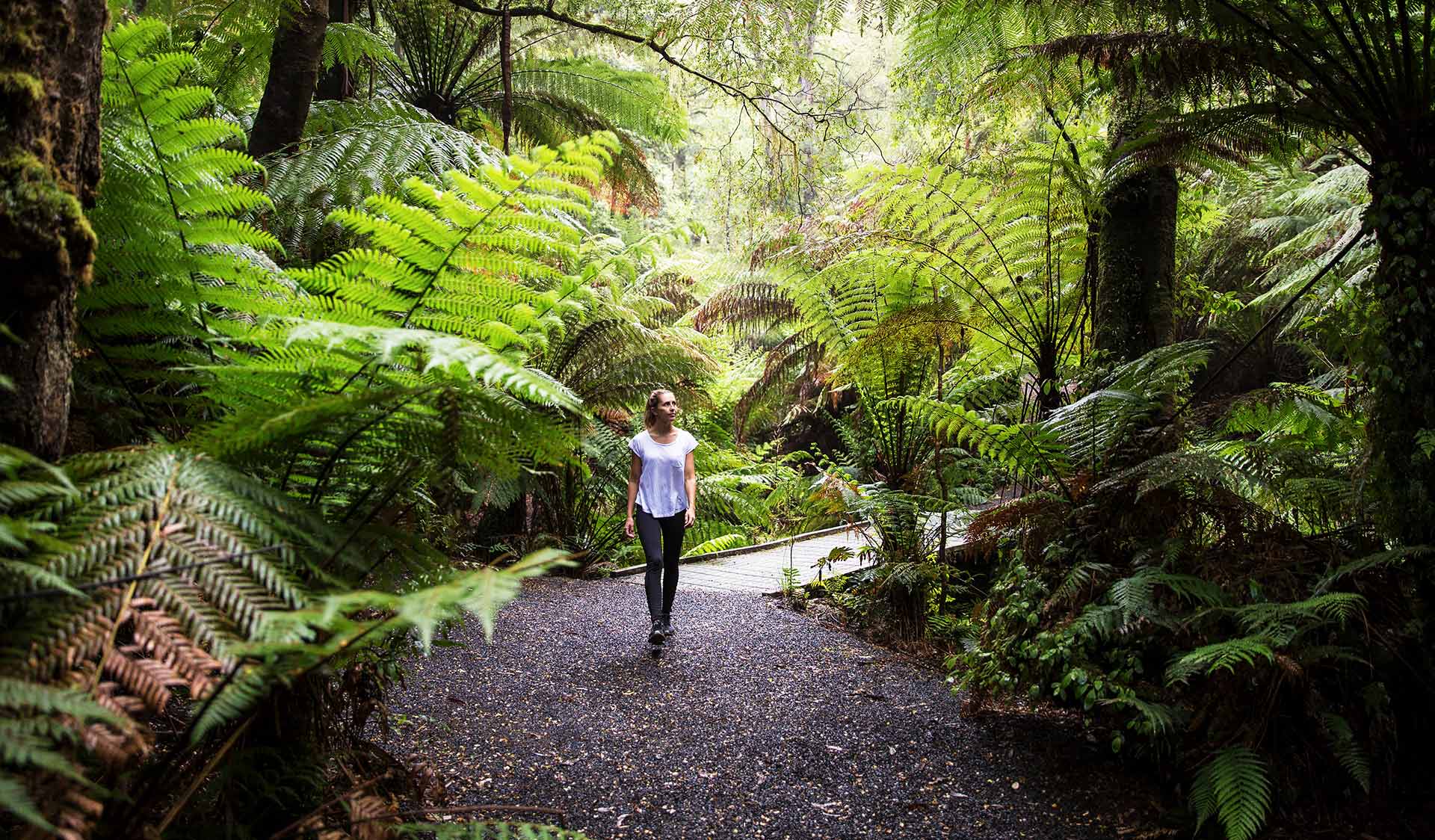
The cool mountains and gullies in Victoria are dominated by wet eucalypt forests and rainforests. After they're about 150 years old, trees in wet forests begin to develop hollows in trunks and larger branches which provide important habitat for native species.
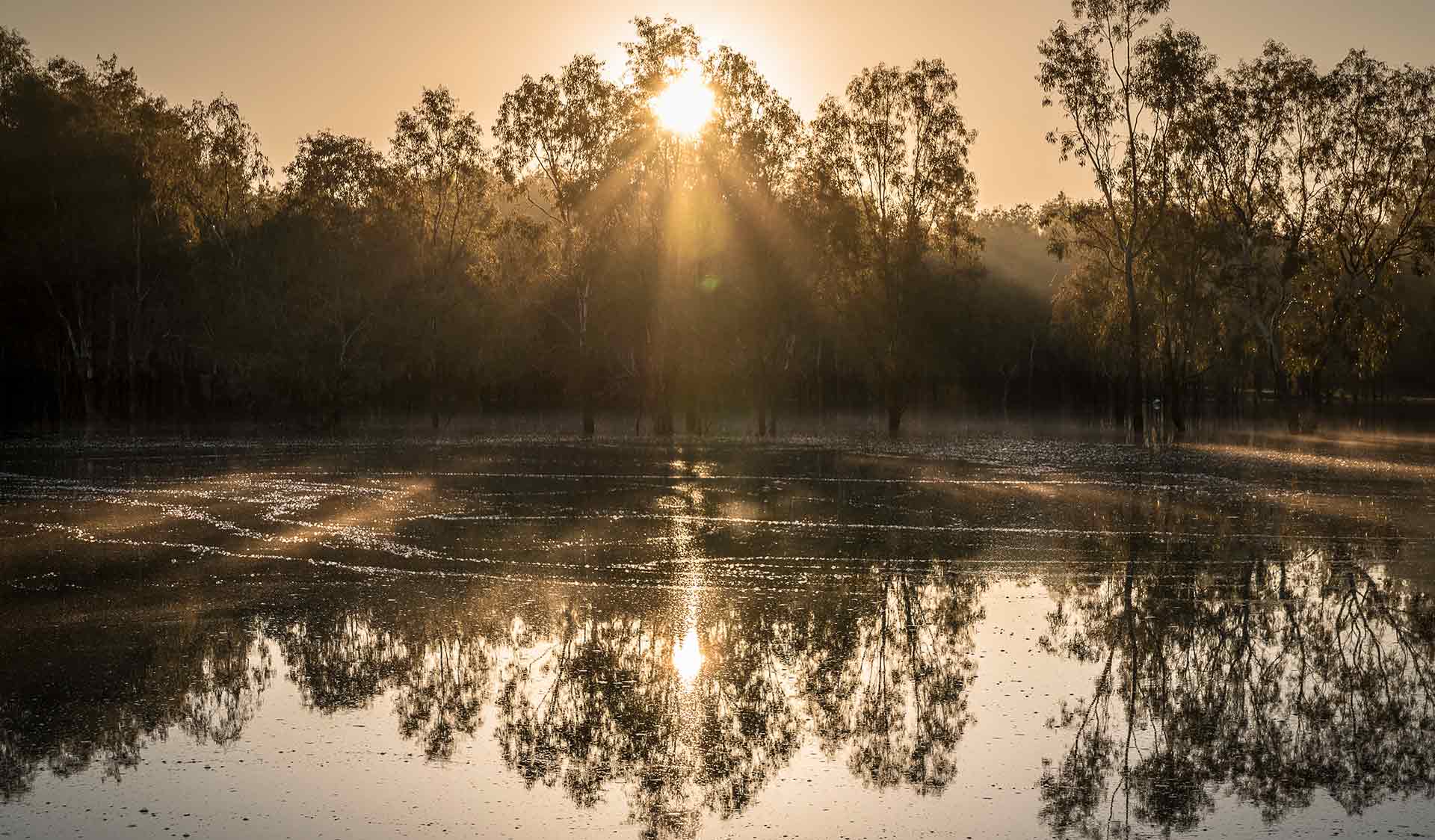
Victoria has a rich variety of inland and estuarine aquatic environments, including flowing waters such as creeks, streams and rivers; and standing waters such as lakes and wetlands. These waters can be permanent or ephemeral, such as intermittently flooded wetlands and red gum floodplains.
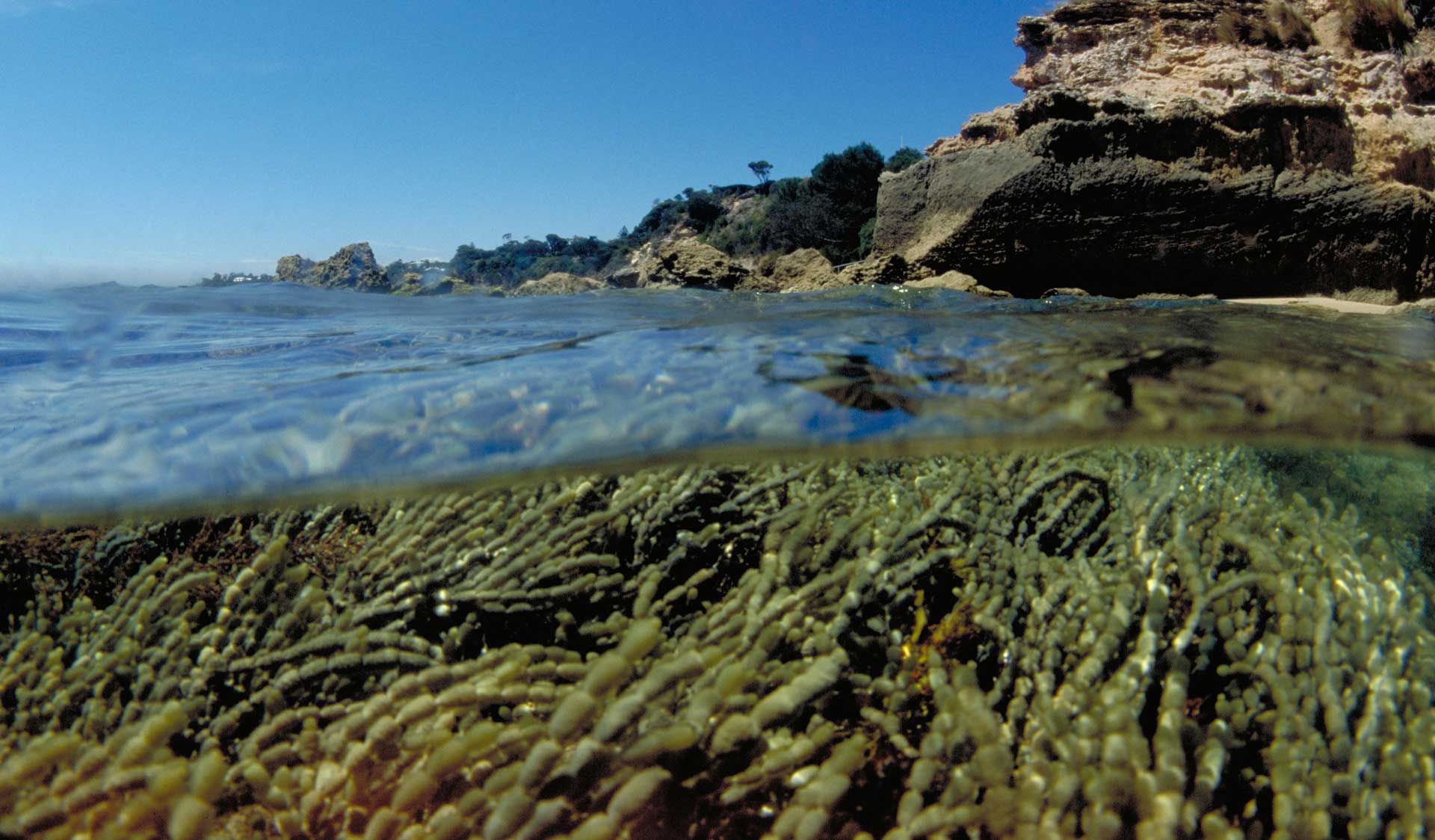
The marine ecosystem is the largest of Earth's aquatic ecosystems and is defined by water that has a high salt content. There are many different habitats within the marine ecosystem which provide all the basic needs for marine organisms to survive.
In Victoria climate change is already impacting our oceans and our landscapes and our cultural, social and political life.
This film explores how Victoria’s scientific and cultural collections, both the static material kept in museums and the living flora and fauna of our parks and marine reserves, helps us understand the change that is occurring and what sort of actions we need to take in the future.
The nine minute documentary features interviews with Mark Norman, Chief Conservation Scientist at Parks Victoria, Kate Phillips, Senior Curator Science Exhibitions at Museums Victoria, Professor David Cantrill, Executive Director Science at Royal Botanic Gardens Victoria and Sione Napi Francis, Lead Curator Te Pasifika Gallery Redevelopment at Museums Victoria.
Virtually explore Victoria’s parks
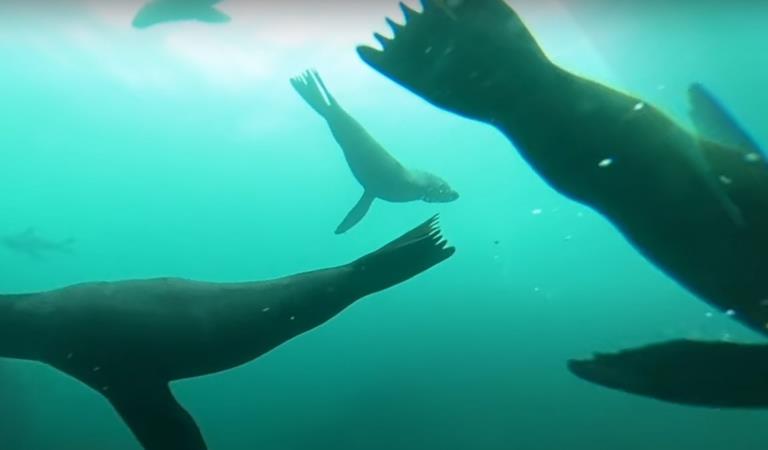
Swim with the seals at Gabo Island
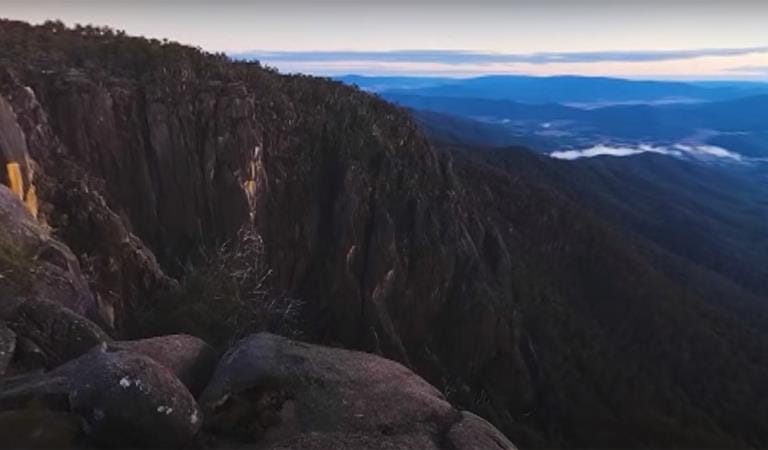
Fly over Mount Buffalo National Park
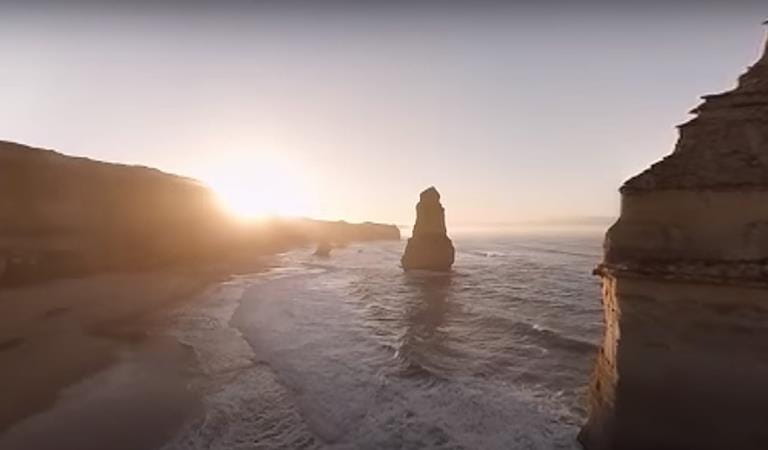
Fly over the Twelve Apostles
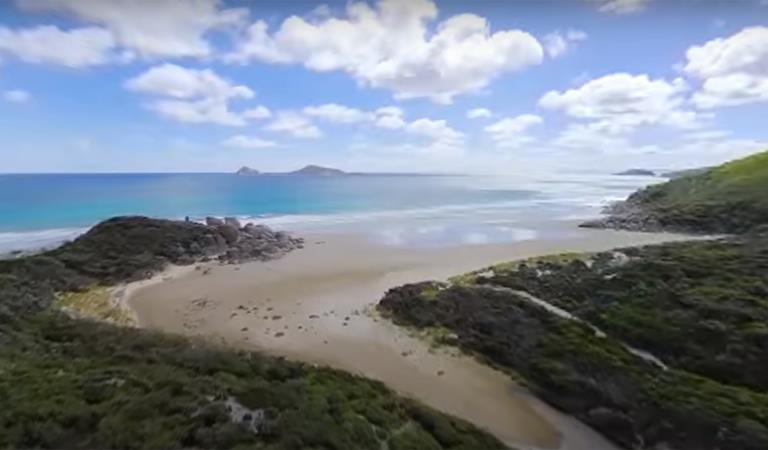
Fly over Wilsons Promontory National Park
Not sure what part can you play in protecting our biodiversity? Why not start small to begin making a big impact! Hear from Parks Victoria education and volunteering staff to learn about career pathways into conservation, how you can advocate for the environment and ways to kick start your citizen science journey by monitoring biodiversity in nature, simply with your phone!
Advocating for the Environment
Biodiversity and Citizen Science
Pathways to a Conservation Career
Meet some of our amazing creatures
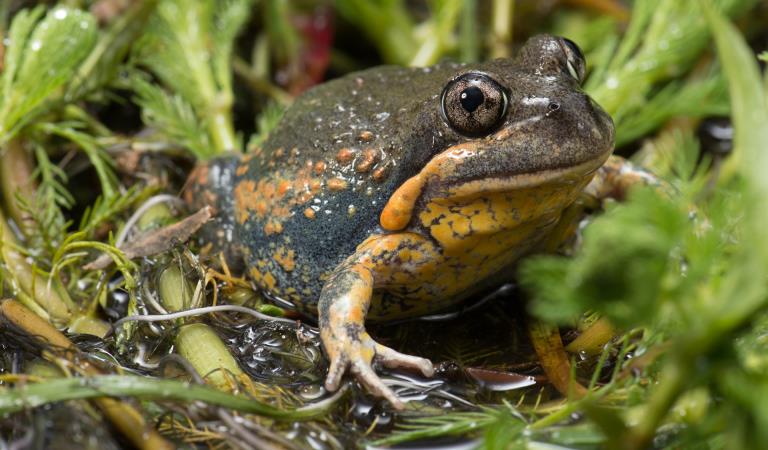
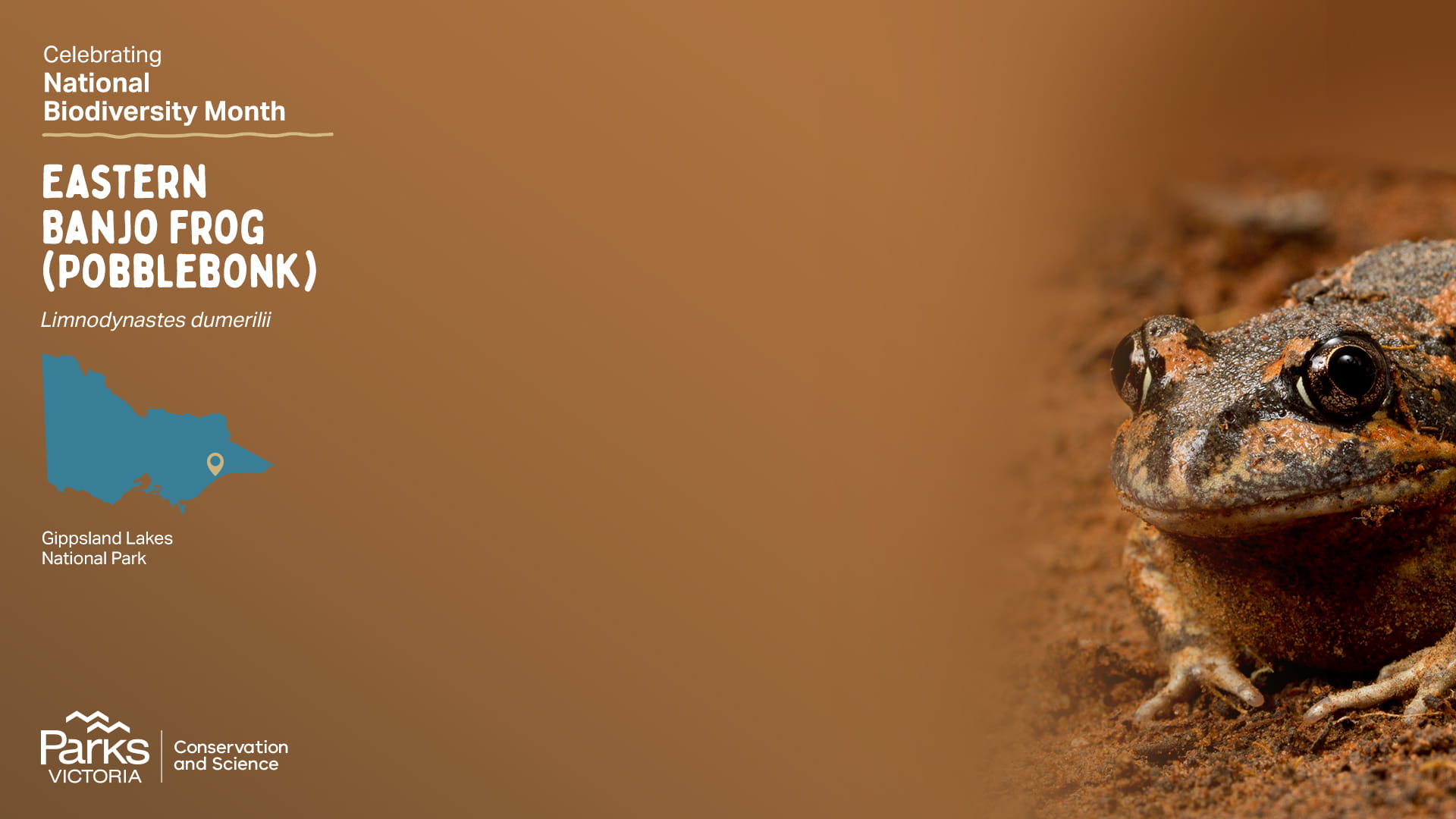
Eastern Banjo Frog
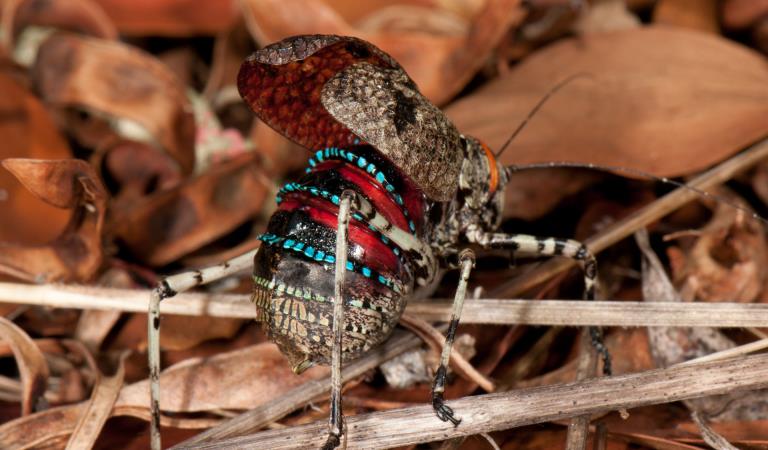
Mountain Katydid
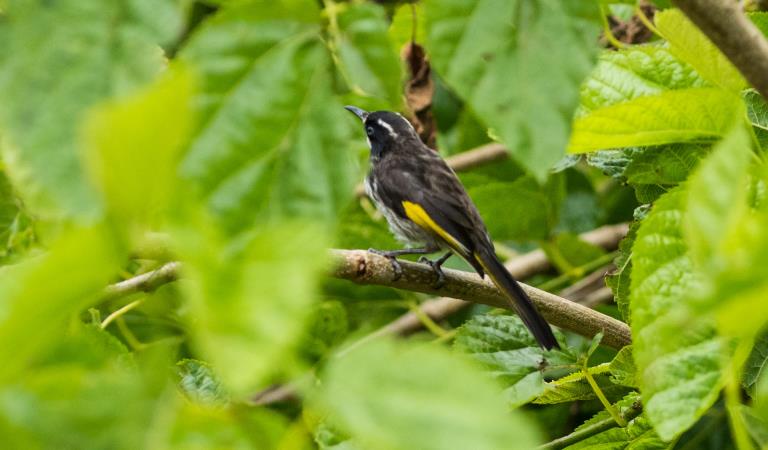
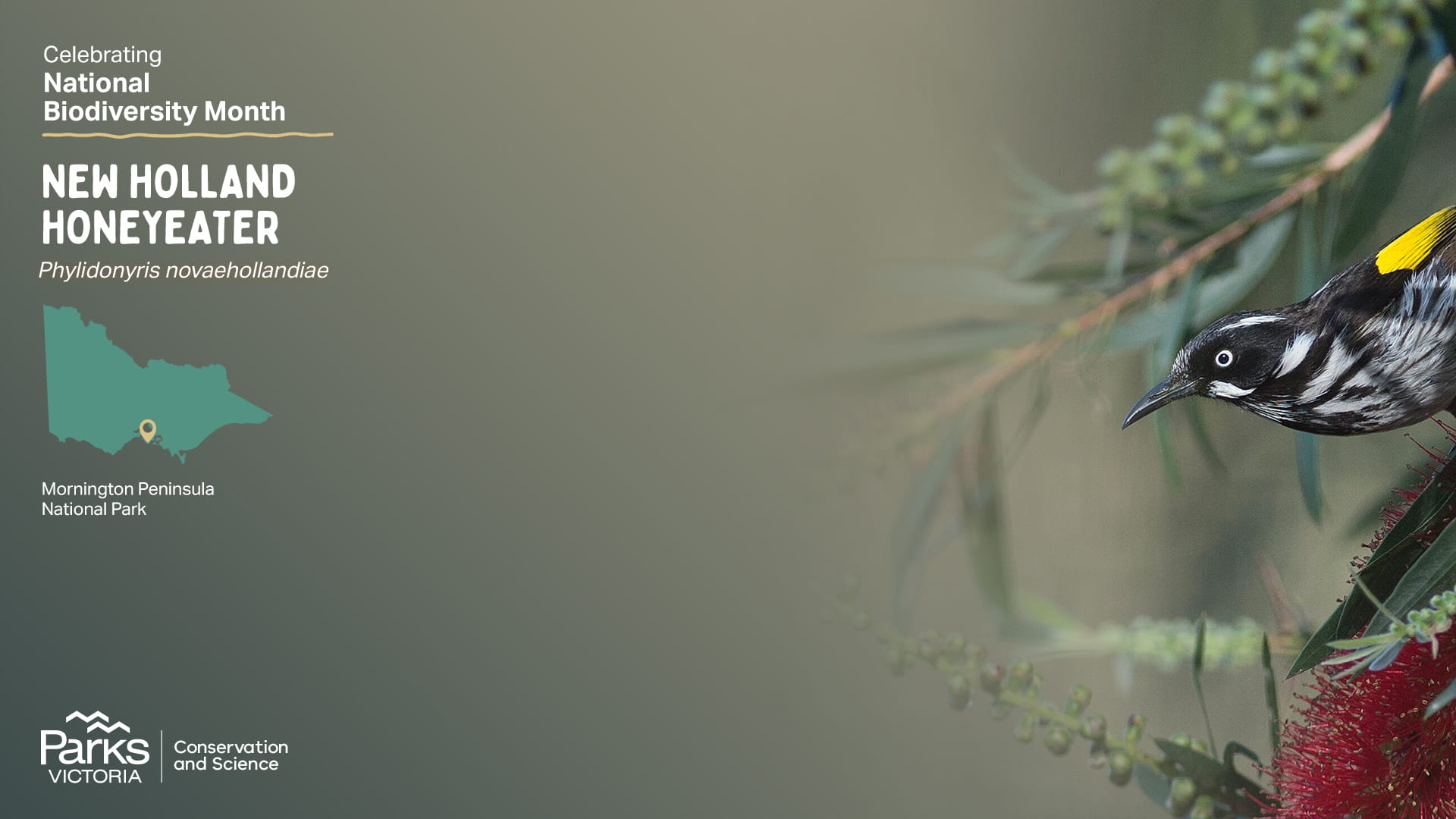
New Holland Honeyeater
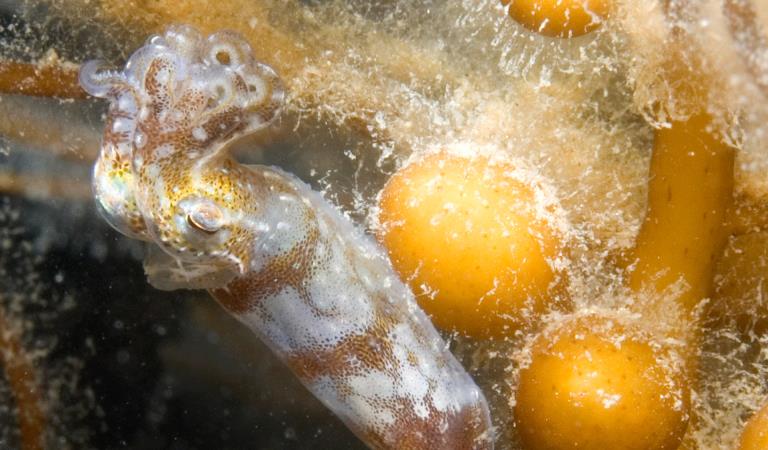
Pygmy Squid
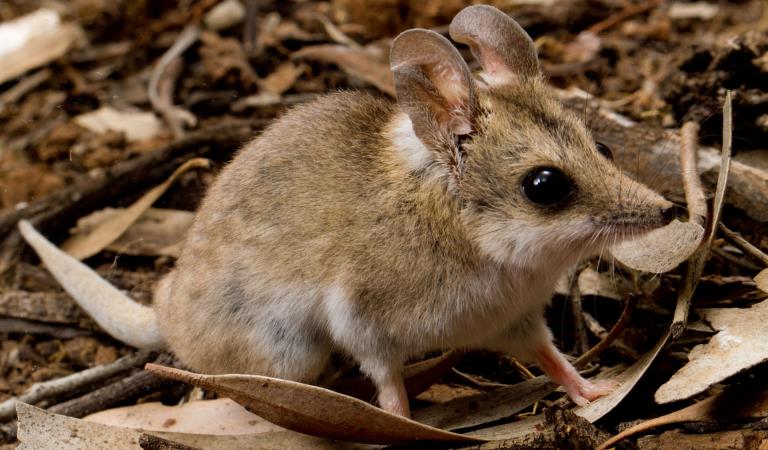
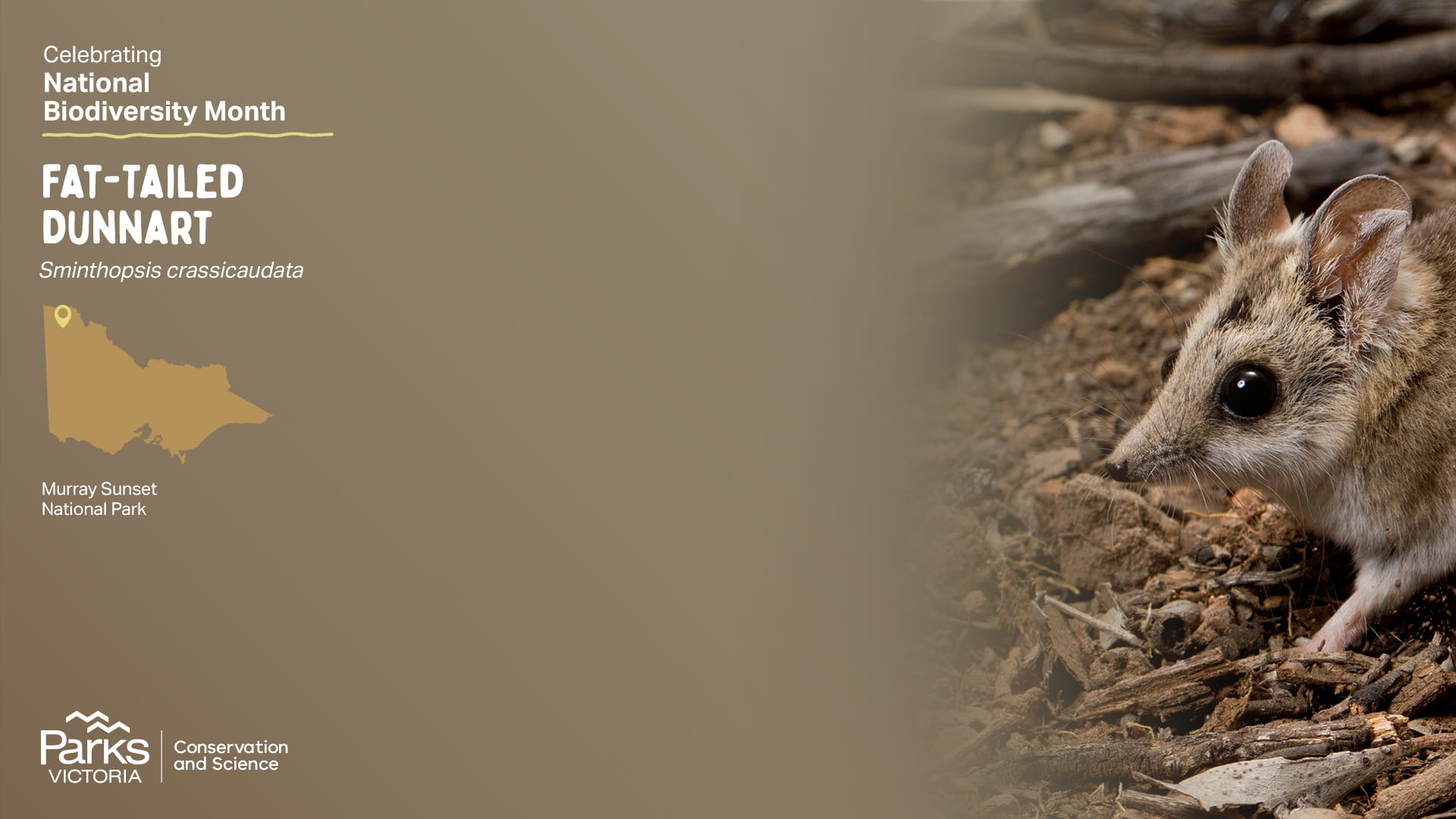
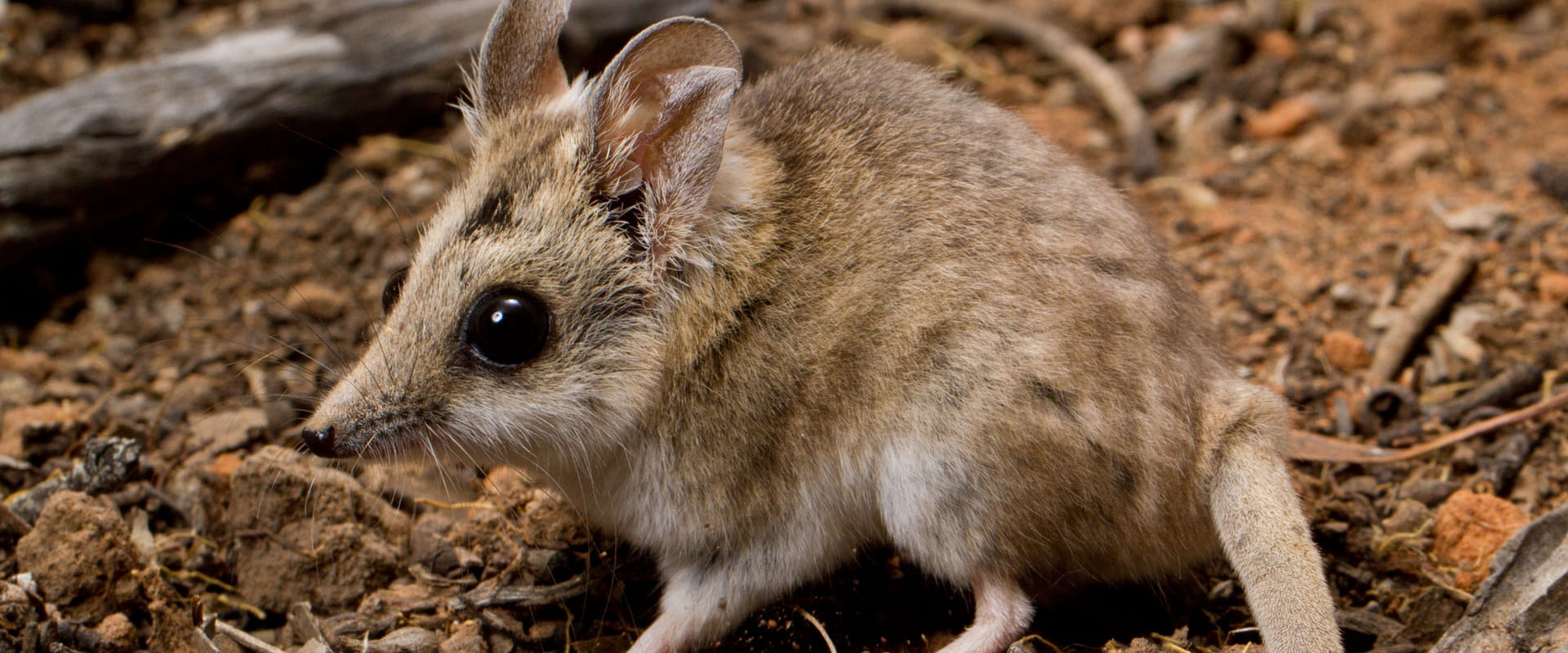
Fat-Tailed Dunnart
Download the A-Z poster
From the Alpine Spiny Crayfish to the Zebrafish, download our A-Z poster and learn about some of Victoria's weird and wonderful plants and animals.
Download poster